

A new contender for ambitious Vespa PX 200 engine builds.
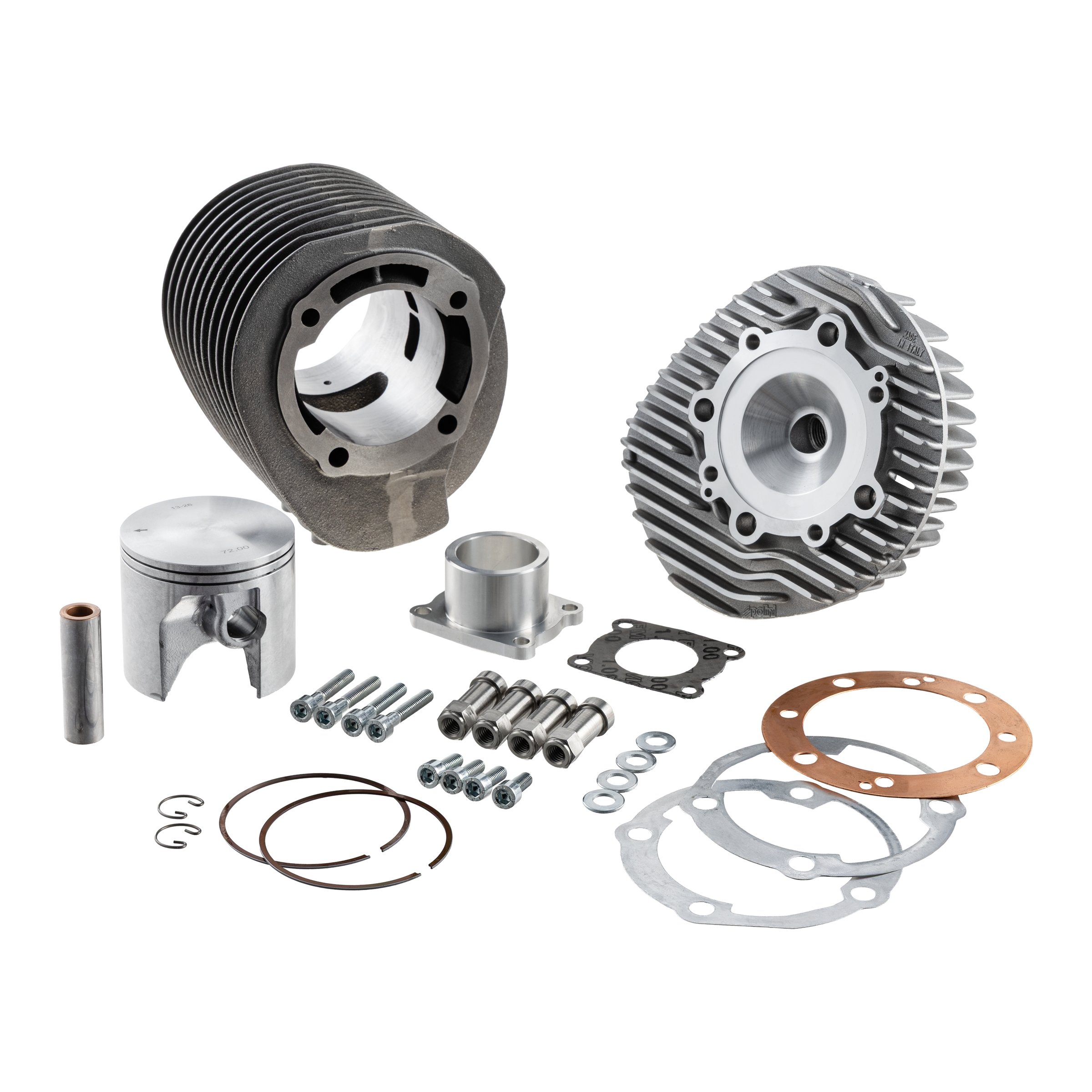

244 cubic centimetres, a cast-iron cylinder and a surprisingly long connecting rod: Polini is shaking up the Vespa 200 tuning scene. But the new 244 is more than a big-bore cylinder. Here’s why the engineering matters, what else must be changed and why ambitious largeframe builders should pay attention.
The essentials in 30 seconds
A 72mm bore and 60mm stroke, six transfer passages and a specially designed piston.
The 127mm connecting rod requires a matching crankshaft: Polini 210.0095 or the SIP PERFORMANCE by PRIMATIST 45021700 alternative.
For Polini HT, use splined hub 230.0506 with the Polini crankshaft or keyed hub 230.0507 with the SIP crankshaft.
Polini 244, Quattrini M244 and Malossi 210 MHR each call for a different overall engine-building approach.
A new chapter for the classic Vespa 200
If you have ever ridden a tuned Vespa PX 200 out of a hairpin bend, you know the appeal of real torque. Polini has taken that idea and turned it into something unusually ambitious: a 244cc cast-iron cylinder designed to work with its own long-rod crankshaft. Announced in September 2026, the new 140.0241 kit is more than another oversized cylinder for an existing engine.
The revised transfer and exhaust port layout is intended to give the motor a broad, usable powerband, with substantial response at low and mid-range rpm and enough breathing room at the top. Polini has not supplied a verified, universal horsepower figure for every configuration, and no responsible builder should promise one without a complete, tested engine setup.
Cast iron: an intentional choice
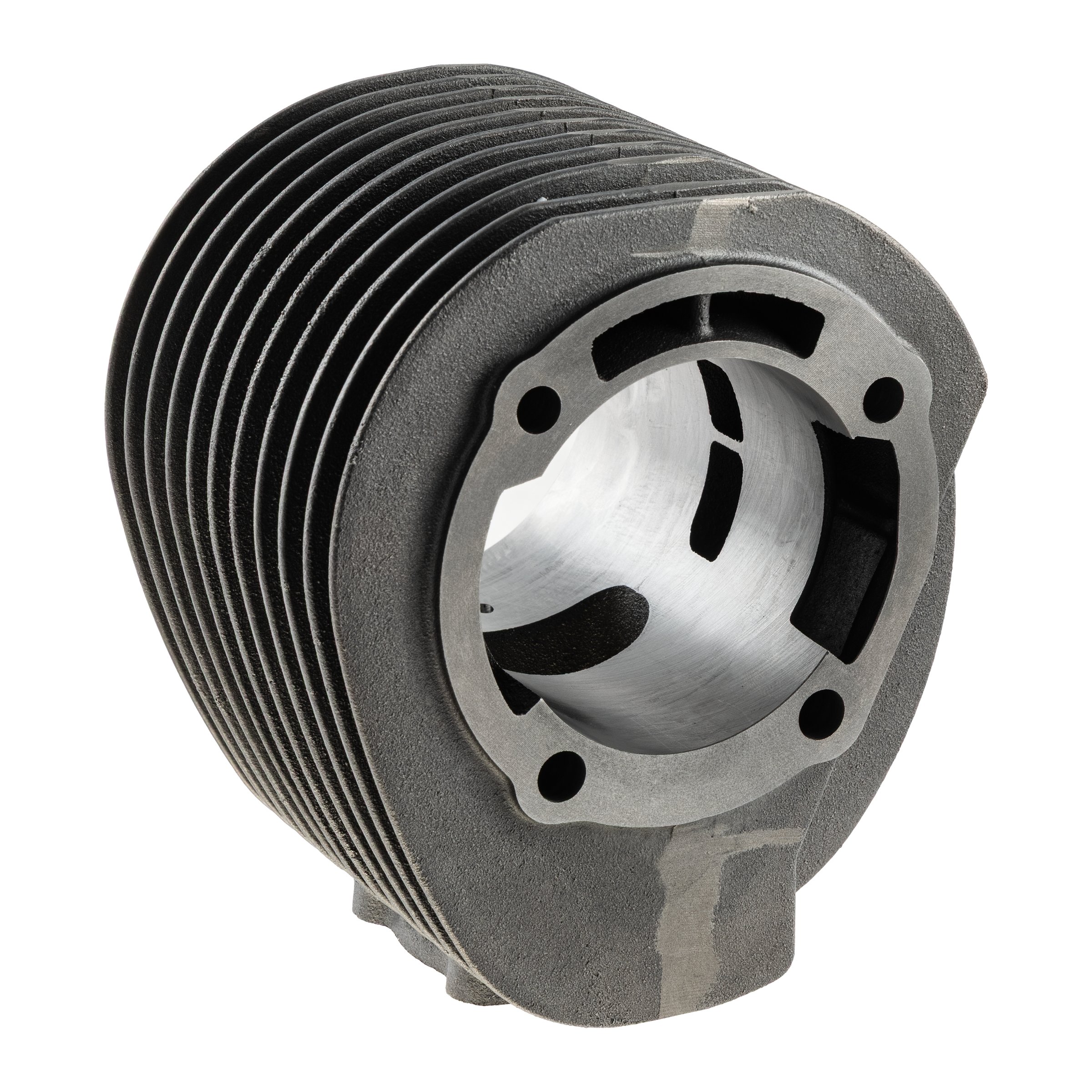
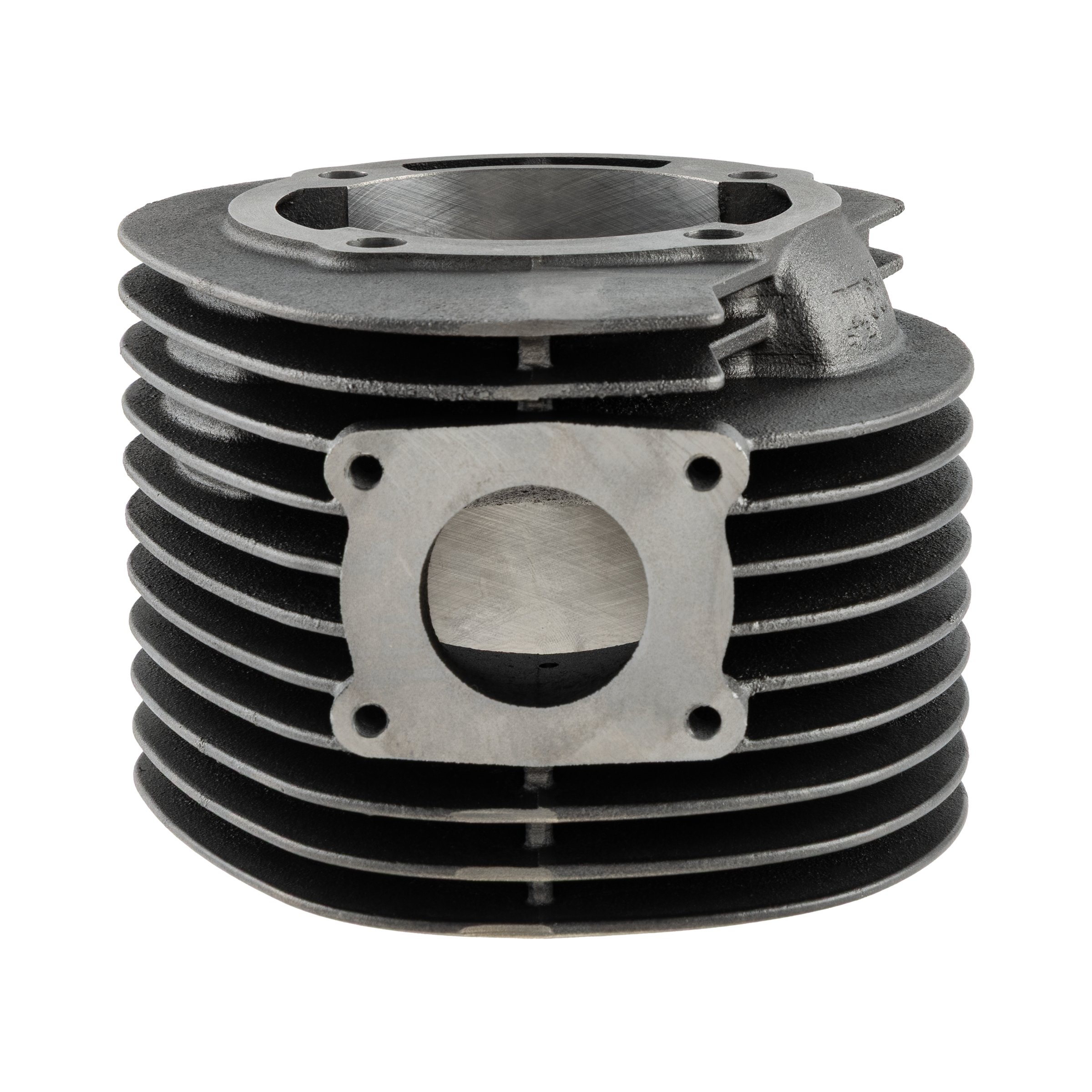
Most people associate big-capacity modern scooter tuning with aluminium cylinders. Polini has instead selected cast iron for this project, citing robustness and operating stability as important design goals. That doesn’t remove the need for correct cooling, clearances and jetting – but it does show the engineering priorities.
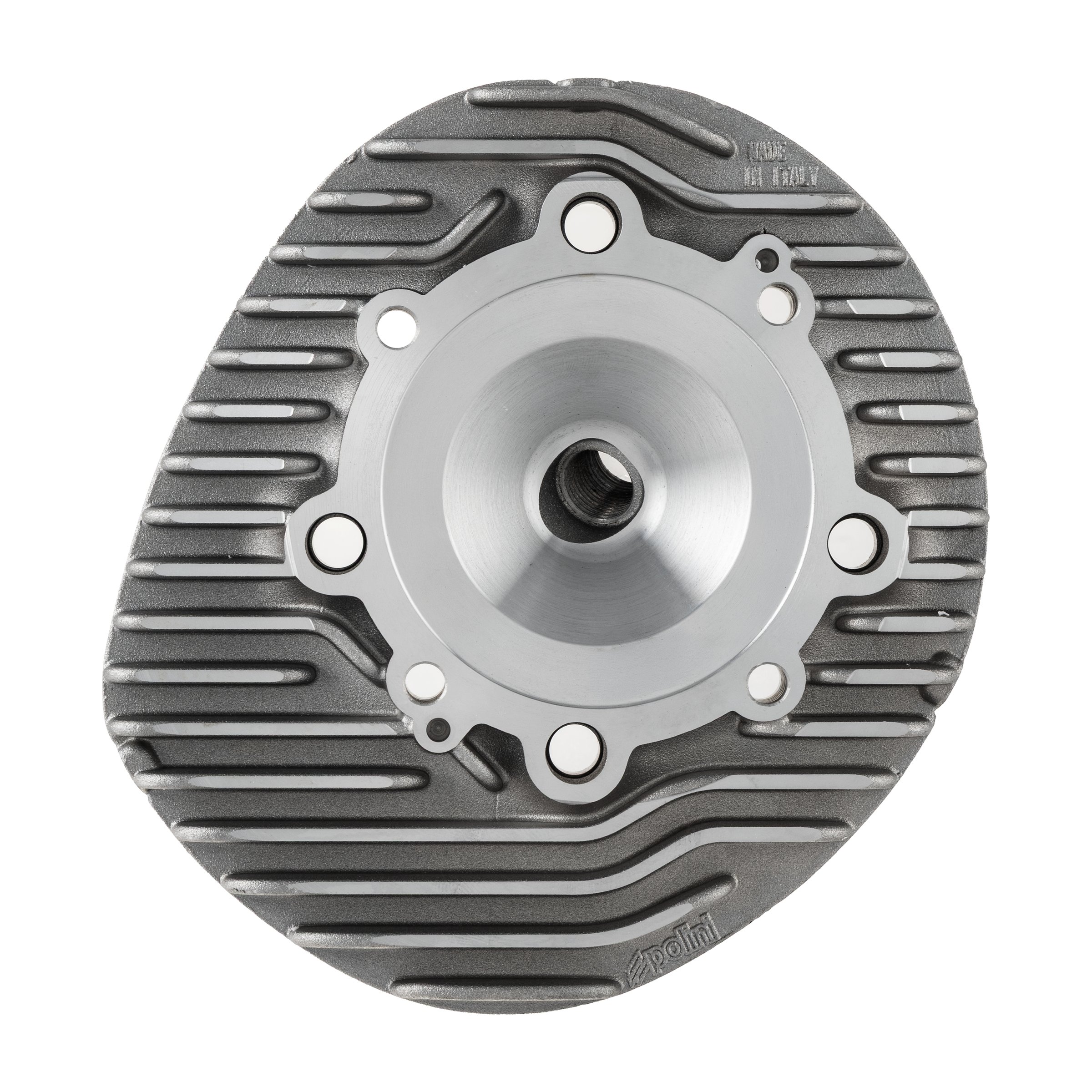
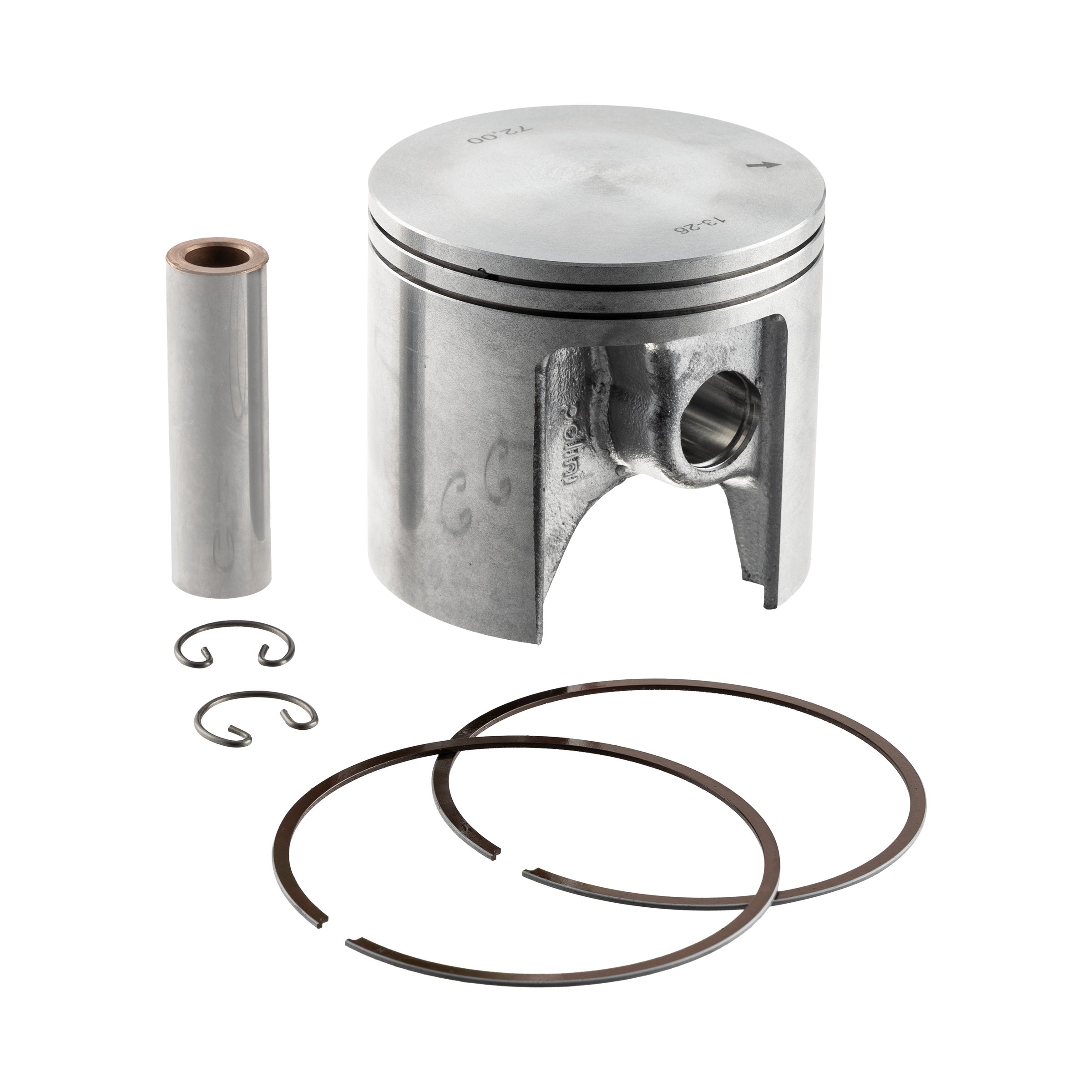
Inside are six transfer passages and a specially designed 72mm piston, weighing a claimed 234 grams. Two slim, one-millimetre piston rings are made from chrome-plated Japanese steel. Strengthening ribs reinforce the piston, while the cylinder head is centred, secured by eight screws and sealed by a copper gasket. An integrated decompression passage is designed to make kick-starting easier.
The number that matters: 127
The headline specifications are 72mm bore and 60mm stroke, giving approximately 244cc. But the 127mm connecting rod is the real difference. The kit is engineered around a dedicated crankshaft, not the standard 110mm-rod arrangement familiar to many PX 200 owners.
Polini offers its purpose-built crankshaft 210.0095 separately. The SIP PERFORMANCE by PRIMATIST long-stroke crankshaft (part no. 45021700) is another option for a correctly configured build: it also uses a 60mm stroke and a 127mm connecting rod. Since SIP originally specifies this crankshaft for Quattrini applications, builders must carefully check crankcase clearance, piston position, squish clearance and inlet timing with the Polini 244. The cylinder requires a coordinated engine build rather than a universal long-stroke bolt-on upgrade. In other words, the shopping list starts with the cylinder, but it certainly does not end there.
The clutch question you cannot ignore
The clutch choice depends on which crankshaft you use. Polini crankshaft 210.0095: Its splined clutch interface is not compatible with the original Vespa clutch; the Polini HT Clutch requires the matching splined hub 230.0506. SIP PERFORMANCE by PRIMATIST 45021700: This crankshaft uses a conventional keyed clutch connection. To run the Polini HT Clutch on this shaft, Polini’s fitting instructions specify the keyed hub 230.0507, not the splined hub. Alternatively, a suitable clutch compatible with the SIP crankshaft and expected torque may be selected. Always match the clutch, primary gearing and any required spacing to the complete engine setup.
The crankshaft itself features a reinforced design, a 22mm big-end pin and a CNC-machined connecting rod. It is intended for properly configured rotary-valve or reed-valve engines. Selecting the remaining parts should be based on the chosen crankshaft and complete powertrain, not just the maximum displacement.
Not plug-and-play: proper preparation is essential
The new cylinder can be fitted to original or aftermarket crankcases after suitable preparation, according to Polini. The crankcase transfer passages, base gasket and cylinder ports must be matched, avoiding abrupt steps that disrupt gas flow. This is skilled engine-building work, not an afternoon swap with the stock crankshaft.
SIP quotes a 1.4–1.6mm squish clearance target. The final setup also requires carefully chosen carburetion, ignition, exhaust and gearing. The ignition values on SIP’s product summary and long description refer to differing configurations, so they should not be copied blindly: use the current Polini installation manual and professional tuning advice for the actual engine.
A demanding test: the 24 Hours of Zuera
There is a motorsport story behind the launch, too. Polini reports that its new components formed part of an all-Polini engine package raced by a Spanish Castrol team at the 24 Hours of Zuera, where it won its class. That’s an intriguing development milestone, although it does not guarantee the same durability or performance in every individual build.
Who should consider the new 244?
The intended platform is the 200cc Vespa largeframe family, including PX 200, P200E and Rally 200, with additional models listed by SIP. It is aimed at experienced builders and riders planning a serious, torque-oriented engine rather than a quick cylinder replacement.
SIP lists the cylinder kit with cylinder head at an indicative price of €459 including VAT; check the shop for current pricing. Crankshaft, clutch components and any required machining or supporting upgrades are additional costs. The kit is offered for racing purposes and is not approved for public-road use under Germany’s StVZO.
Polini 244 vs Quattrini M244 vs Malossi 210 MHR: which build makes sense?
244 cubic centimetres sounds exciting, but displacement alone does not tell you which Vespa PX 200 cylinder will deliver the best ride. The Polini 244 competes with the established QUATTRINI M244 and the sportier MALOSSI 210 MHR. Their differences go well beyond peak horsepower: material, crankshaft geometry, engine character and the amount of modification required all matter.
PRODUCT NEWS | QUICK COMPARISON
Three cylinders at a glance
244cc
Cast iron · 127mm rod
For ambitious fresh builds using Polini’s long-rod concept.
M244
Aluminium · long-rod
For powerful touring engines with extensive documented community experience.
210 MHR
Aluminium · sporty
For sporty setups offering plenty of tuning flexibility.
Editorial judgement (scale 1–5), not dyno data. Greater installation effort means more work; performance potential depends on the complete engine build.
| Specification | POLINI 244 | QUATTRINI M244 | MALOSSI 210 MHR |
|---|---|---|---|
| Capacity | 244cc | 244cc | 210cc at 57mm stroke; more with long-stroke builds |
| Bore × stroke | 72 × 60mm | 72 × 60mm | 68.5 × 57mm in the 210cc configuration |
| Cylinder | Cast iron | Plated aluminium | Plated aluminium |
| Connecting rod | 127mm; Polini or SIP PERFORMANCE 60mm-stroke crankshaft | 126mm with Quattrini crankshaft; other suitable long-rod configurations possible | Standard-type or long-stroke arrangement depending on build |
| Intended character | New, torque-focused complete engine concept | Established high-performance touring concept | Sporting, adaptable to many performance builds |
| Community evidence | Early inspections and build discussions | Years of road reports and long-distance use | Extensive tuning and dyno experience |
Why the crankshaft matters more than the badge
Polini and Quattrini use the same nominal bore and stroke, but their cylinder construction differs: Polini chooses cast iron, while the Quattrini uses plated aluminium. The standard Quattrini long-rod arrangement uses a 126mm connecting rod, compared with Polini’s specified 127mm crankshaft and its particular clutch requirements. Malossi’s 210 MHR uses a smaller bore and capacity in its classic 57mm-stroke form, yet can be developed into a very powerful engine with the right exhaust, port timings, intake and crankshaft.
This is not a horsepower ranking. An expertly built MHR may outperform a poorly matched 244cc setup; riders prioritising long-distance touring may care just as much about response, vibration, cruising noise and reliability as the maximum reading on a dyno.
Real riders, real builds: what the German Scooter Forum reports
The GSF Polini 244 discussion includes close-up measurements of the cylinder, piston and crankshaft and comparisons with Quattrini parts. Contributors have mixed views on cast iron and Polini’s splined crankshaft/clutch interface. These are valuable early build observations, but not a long-term reliability study or a controlled dyno comparison. One horsepower-and-torque figure mentioned jokingly in the thread is not a measured result.
In the much longer-running Quattrini M232/M244 discussion, riders discuss a wide range of engine builds, from touring-focused rotary-valve configurations to more performance-oriented setups. These real-world accounts are useful for choosing parts, but always relate to their particular engine combinations.
The Malossi MHR torque-engine build thread documents the painstaking process of changing exhaust, crankshaft, intake and timing to improve usable road performance. The author reports strong mid-range response and later dyno results, but those figures refer to one specific and heavily developed engine, not every off-the-shelf MHR cylinder.
The useful takeaway: Quattrini and Malossi have the deeper track record; Polini is the intriguing newer alternative. If you already own a good MHR motor, the bigger displacement alone is not a reason to rebuild it. If you are starting a fresh PX 200 project, Polini’s dedicated long-rod concept deserves serious consideration. SIP’s Quattrini M244 technical details also help clarify the different crankshaft requirements.
Compatible with the following models
SIP lists the Polini 244cc (part no. 14002410) for the following Vespa 200 model families. Model codes and production years follow SIP’s classification for these vehicle ranges:
| Model | Type | Years |
|---|---|---|
| Vespa 200 Rally | VSE1T | 1972–1979 |
| Vespa P200E / PX200 E | VSX1T | 1977–1983 |
| Vespa PX200 E Lusso / EFL / Arcobaleno / Elestart | VSX1T | 1983–1997 |
| Vespa PX200 E ’98 / MY / Millennium | VSX1T | 1998–2005 |
| Vespa Cosa 1 200 | VSR1T | 1988–1991 |
| Vespa Cosa 2 200 | VSR1T | 1990–1996 |
Important installation note: “Fits” refers to the compatible engine family, not a drop-in replacement for the standard cylinder. The Polini 244 requires a crankshaft with the correct 60mm stroke and 127mm connecting rod, plus an appropriate clutch and complete engine setup. Verify individual engine versions, especially early Rally engines, with SIP before ordering. Other models, such as the Motovespa 200 DS and Rally 180, appear in related 200cc cylinder listings but are not included here as confirmed fitments for this specific Polini 244.
Source: SIP vehicle fitment and product description (part no. 14002410). Years and type codes according to SIP model classification.
The verdict: worth thinking beyond the cylinder
What makes the Polini 244 exciting is not the displacement number alone. It is the way the manufacturer approaches the whole engine: port design, long connecting rod, strengthened piston, dedicated crankshaft and torque transmission developed to work together.
For serious Vespa 200 projects, that makes this one of the most interesting largeframe launches of 2026. Start with the correct parts, plan the build as a complete system, and the Polini 244 deserves a place on the shortlist.
Sources and product images: SIP SCOOTERSHOP product information and gallery · Polini manufacturer announcement, 24 September 2026. Product photographs courtesy of SIP SCOOTERSHOP; check the linked product page for current pricing and availability.
Stephan Hufschmid
Stephan Hufschmid is Head of Sales at SIP SCOOTERSHOP. He has spent many years immersed in classic Vespa engines, tuning, new technology and the international scooter scene.
More articles by Stephan →