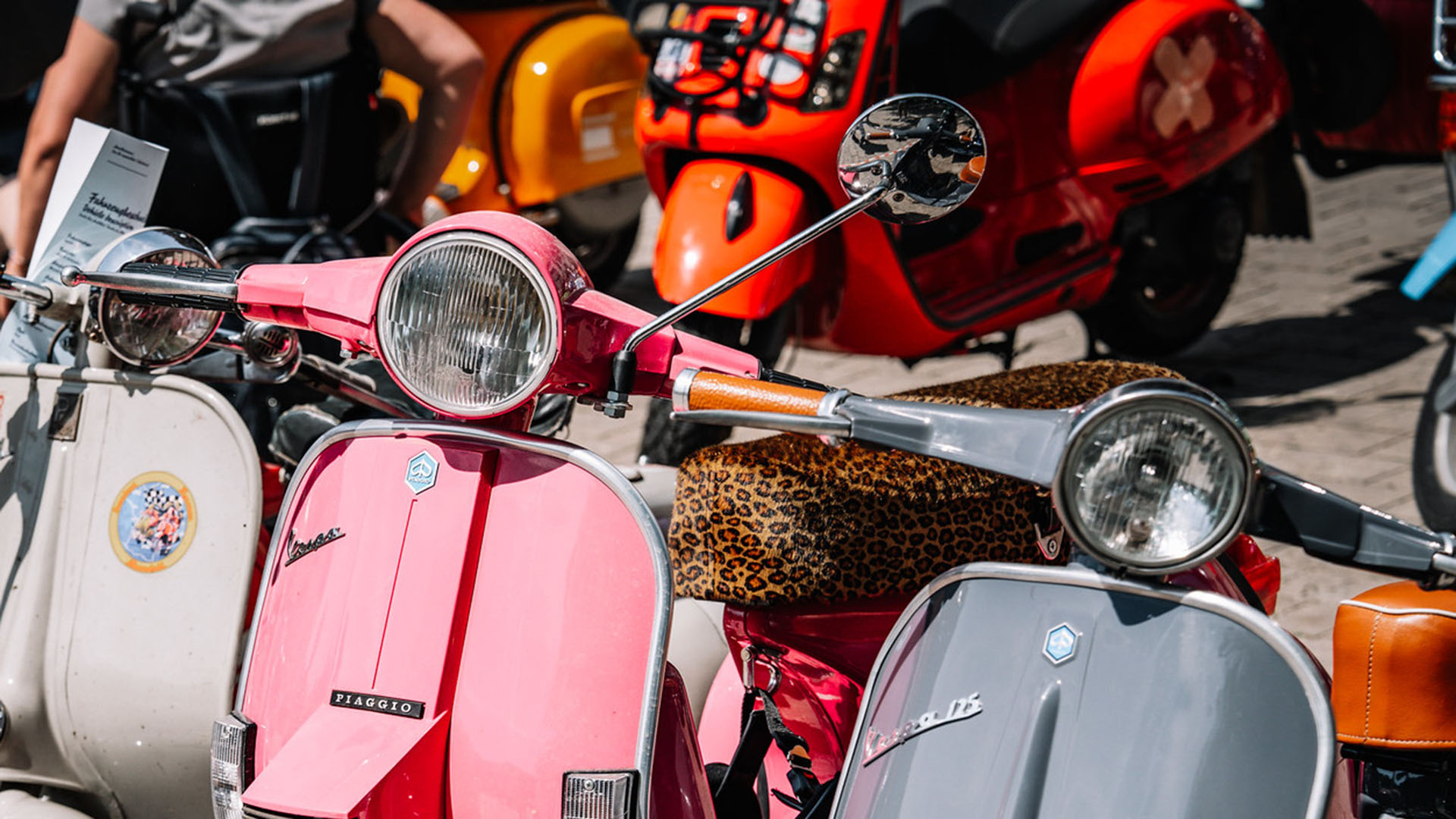
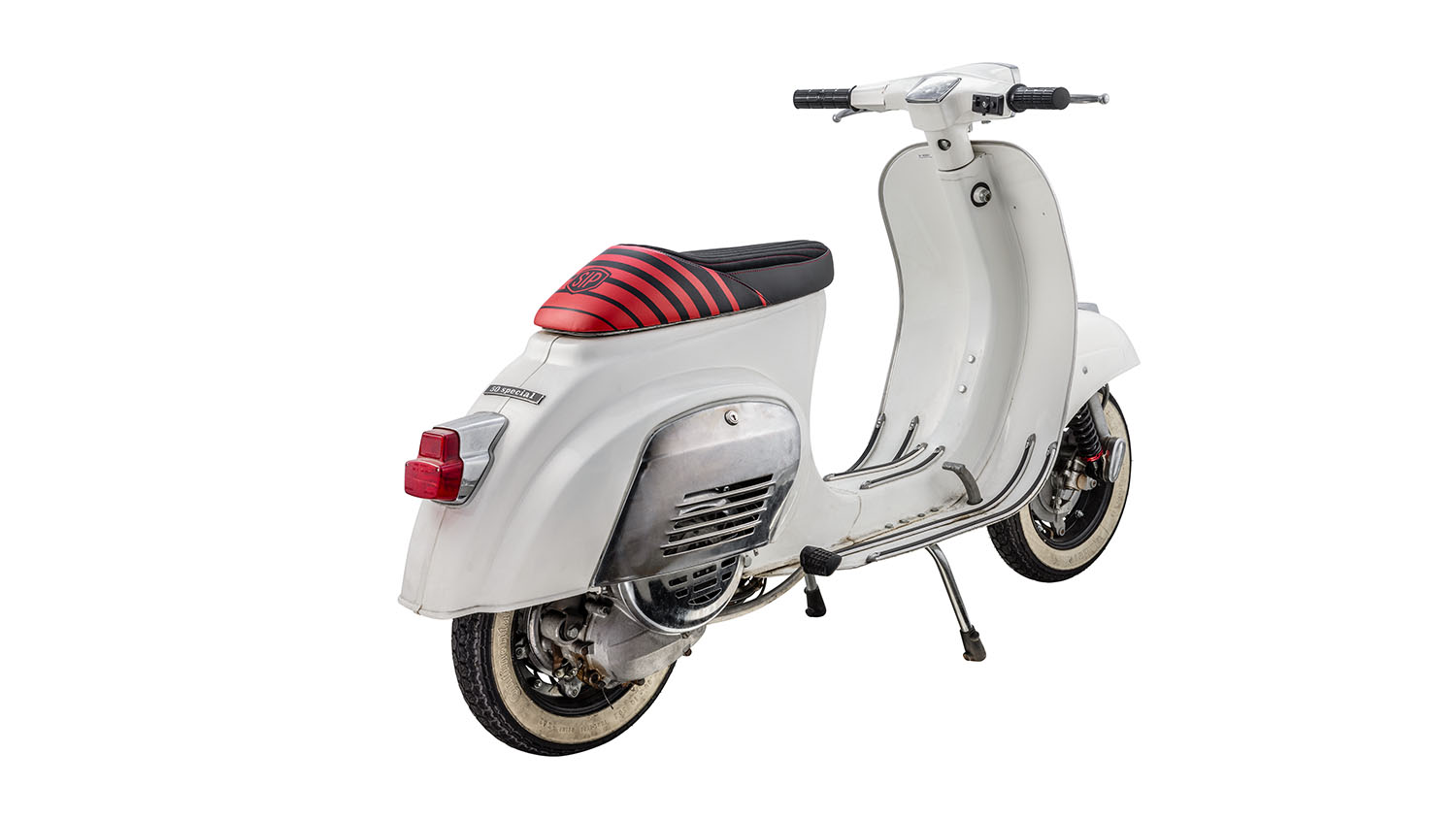
Sports seat from SIP and NISA for the Vespa
The new sports seat from SIP and NISA gives your Vespa a fresh new look with an optimum shape.
Read moreThe new sports seat from SIP and NISA gives your Vespa a fresh new look with an optimum shape.
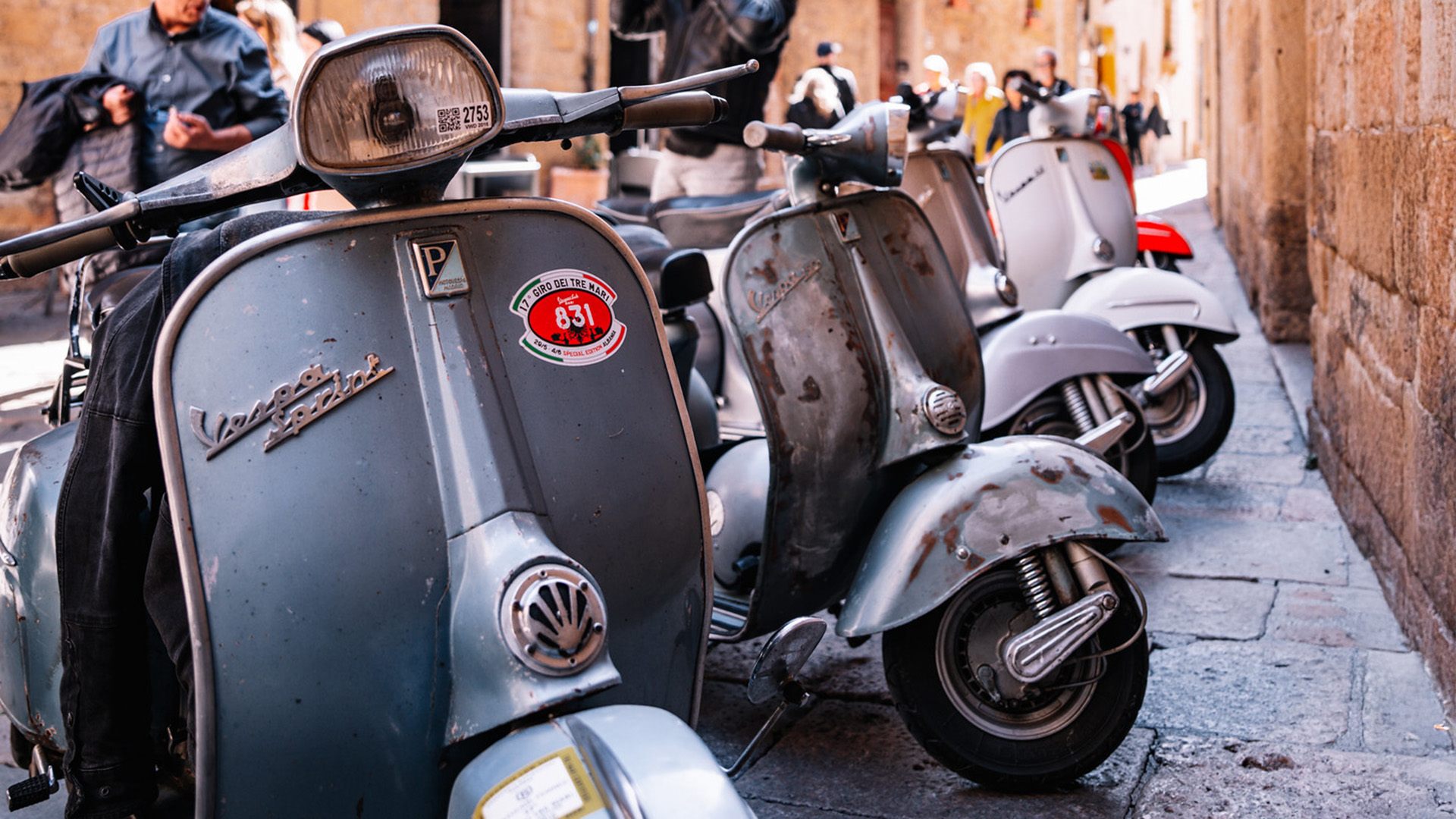
Read moreThe headlight of the Vespa not only brings light into the darkness, but is also a strong distinguishing feature of the scooter.
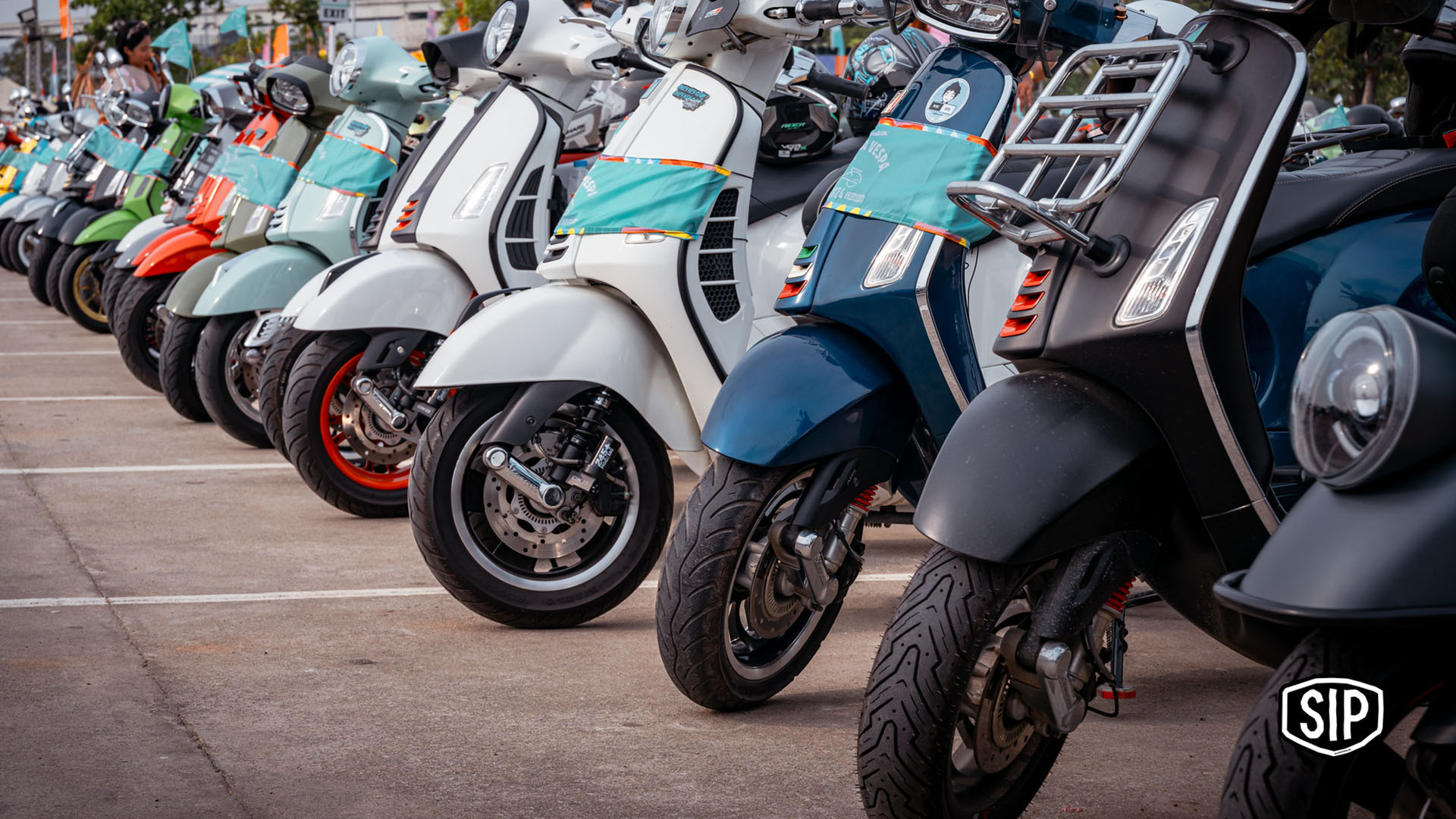
Read moreThe difference between the Vespa Wideframe, Largeframe and Smallframe models can be decisive.
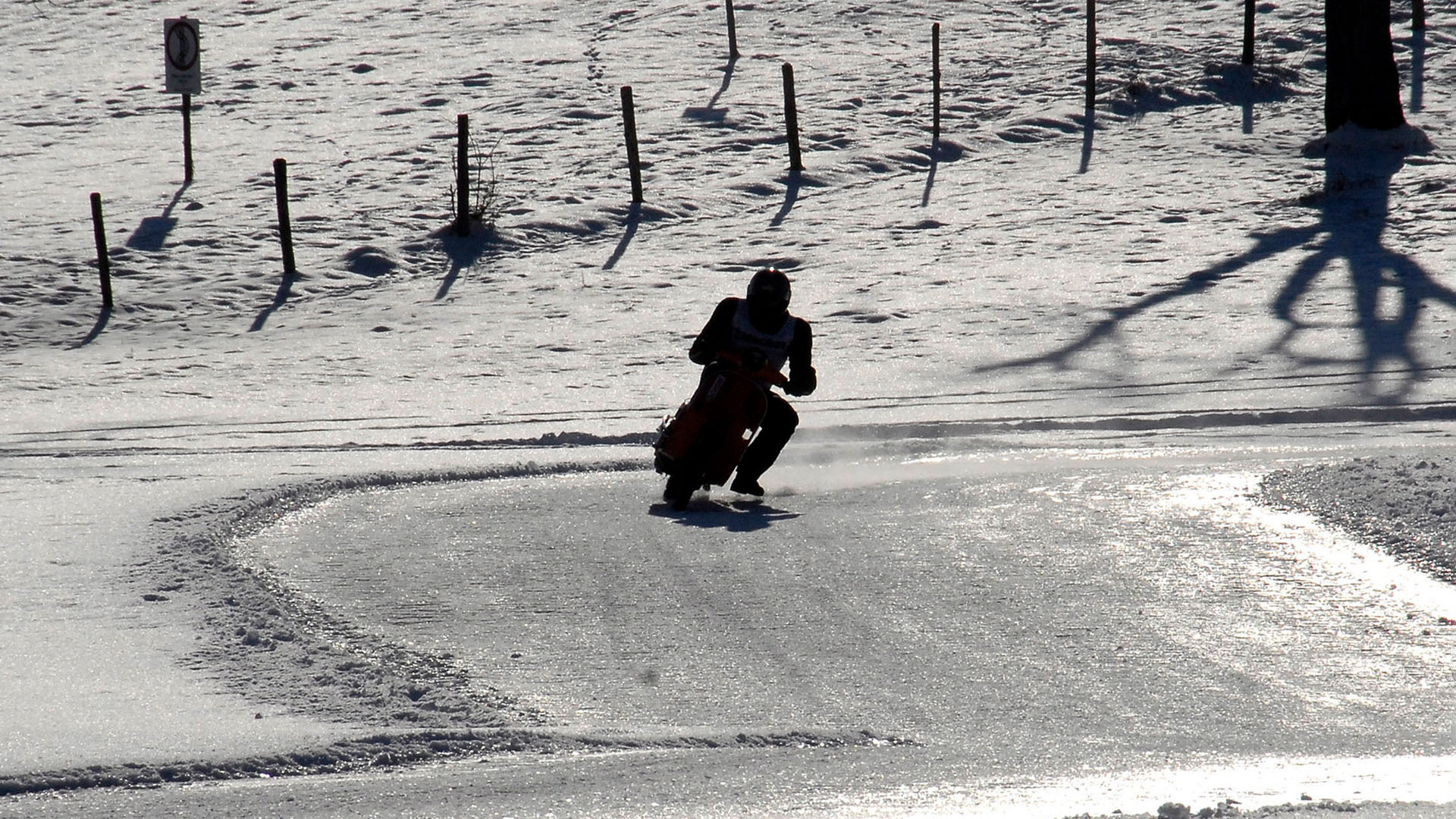
Read moreThe Vespa doesn’t know bad weather, only bad preparation. SIP Scootershop has a large selection of suitable winter tyres.
Read moreThe new year has begun and planning for the coming Vespa season is already in full swing. If you still don’t have an overview for this summer, here is a selection of events for the year
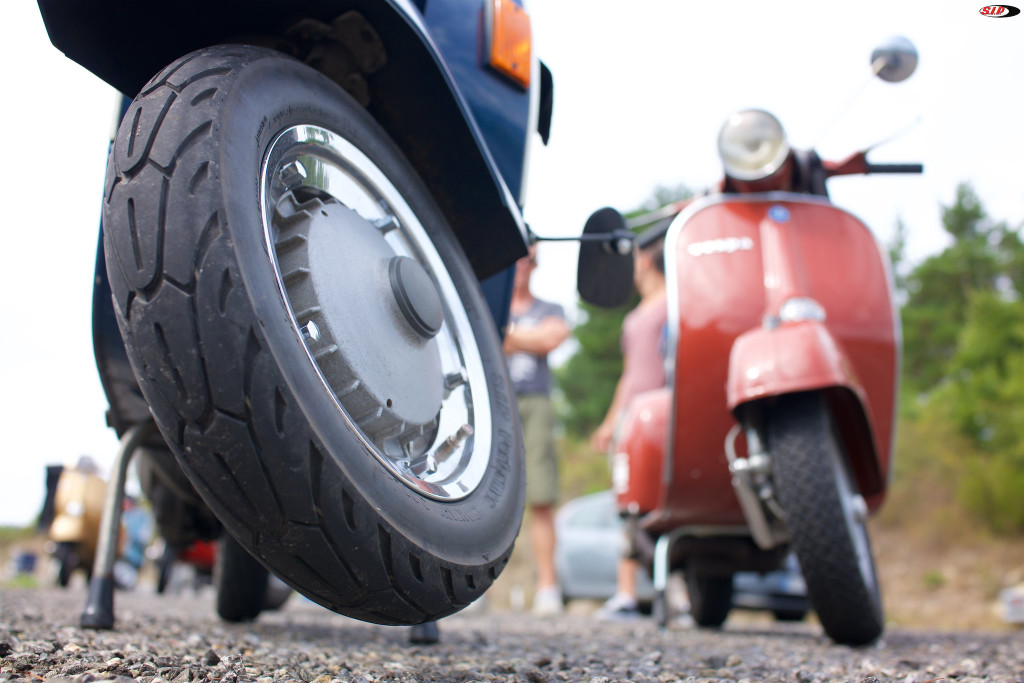
Read moreFind out more about the types of rims, how to maintain tires properly and what else to look out for with tires.
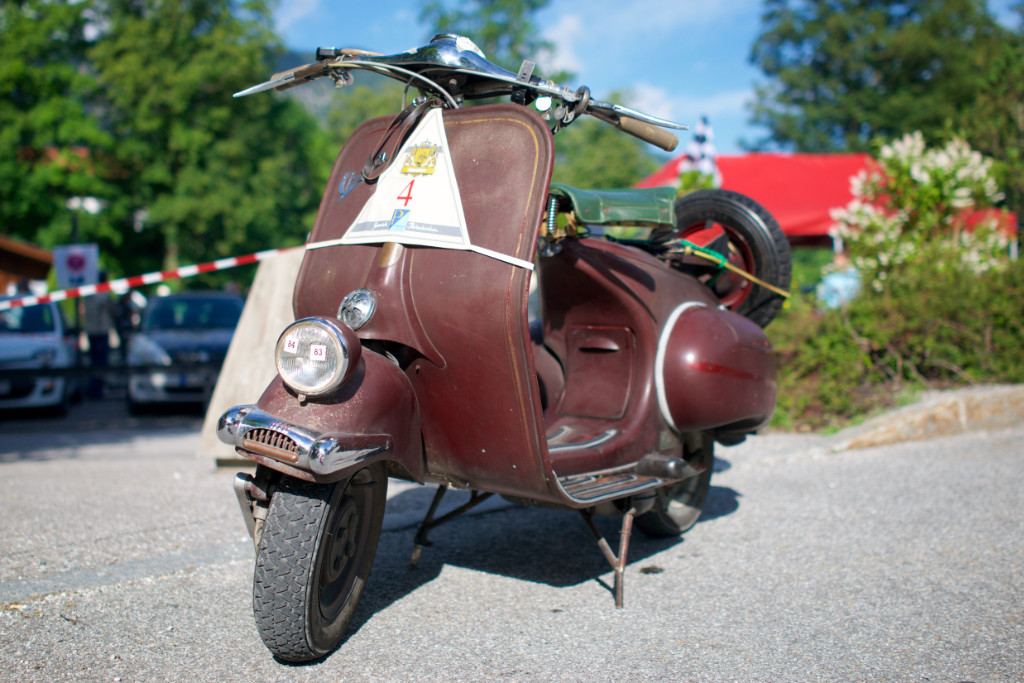
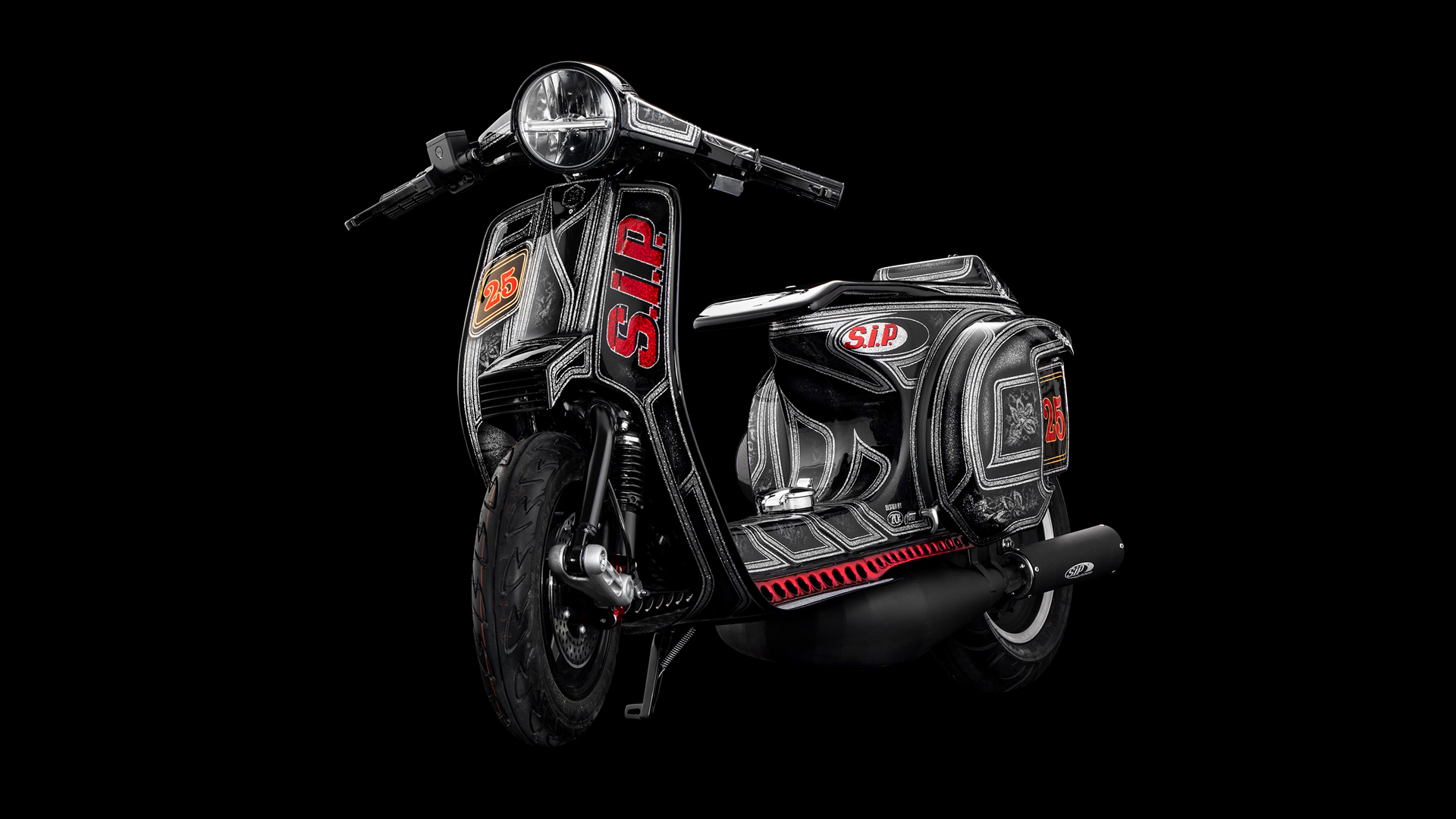
Read moreNagel Motors in Garmisch-Patenkirchen combines advertising agency and custom Vespa workshop. If you have very special scooter wishes, Nic Nagel is the right address.
Read moreRegular care of the Vespa tyres should be a matter of course. A tyre change is also necessary from time to time. Here are some tips and advice on how to do this.
Read moreIf the Vespa is properly prepared for the start of the season, nothing stands in the way of riding fun. In this article, we explain what can be done yourself and where a professional may be needed.
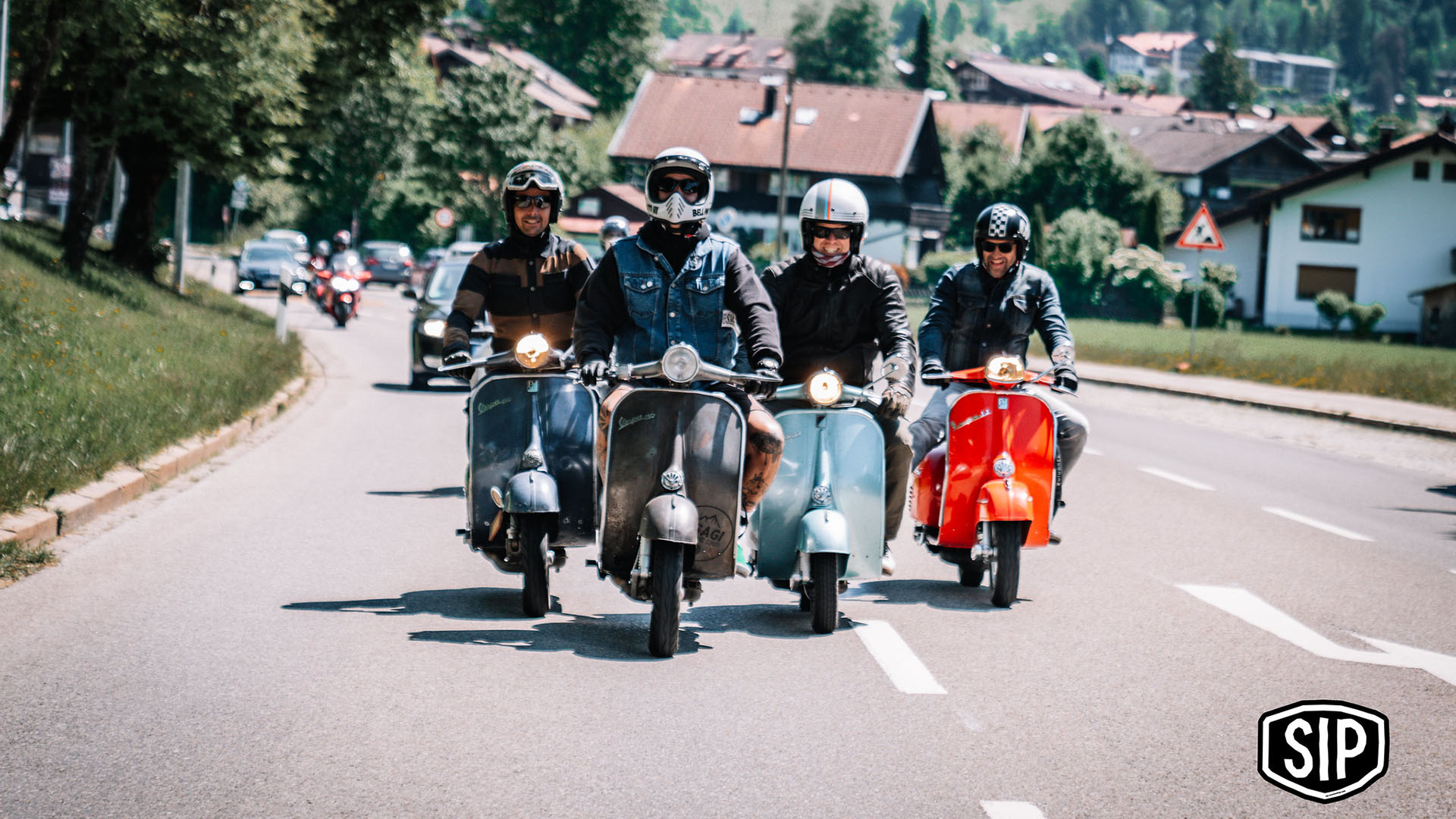
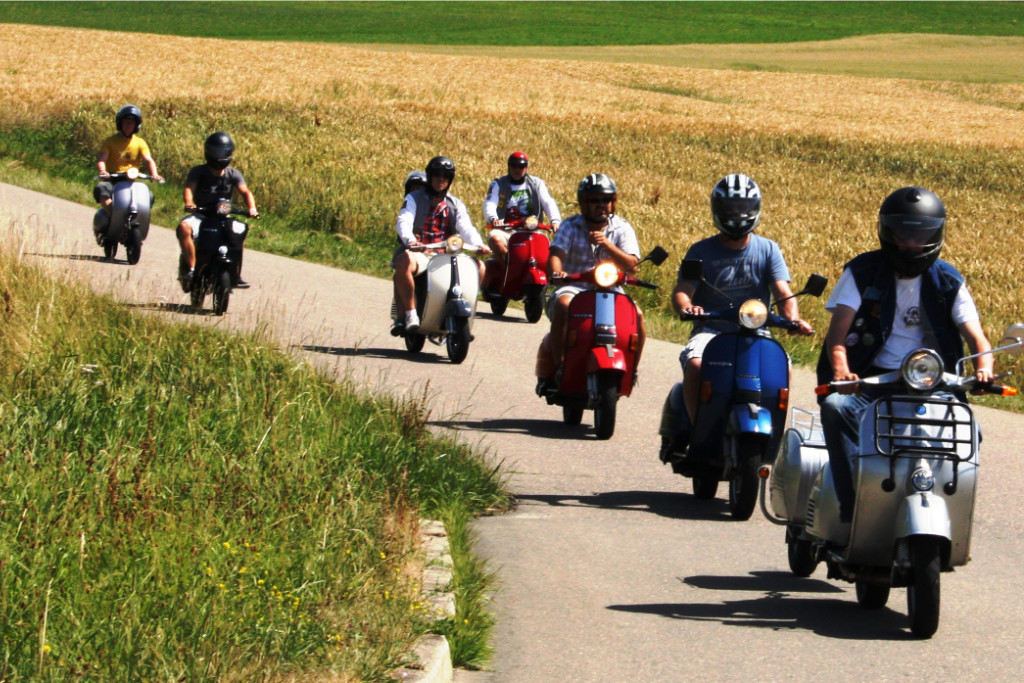
Read moreGermany offers Vespa riders beautiful routes through nature, culture and more. We present a few great examples with special highlights.
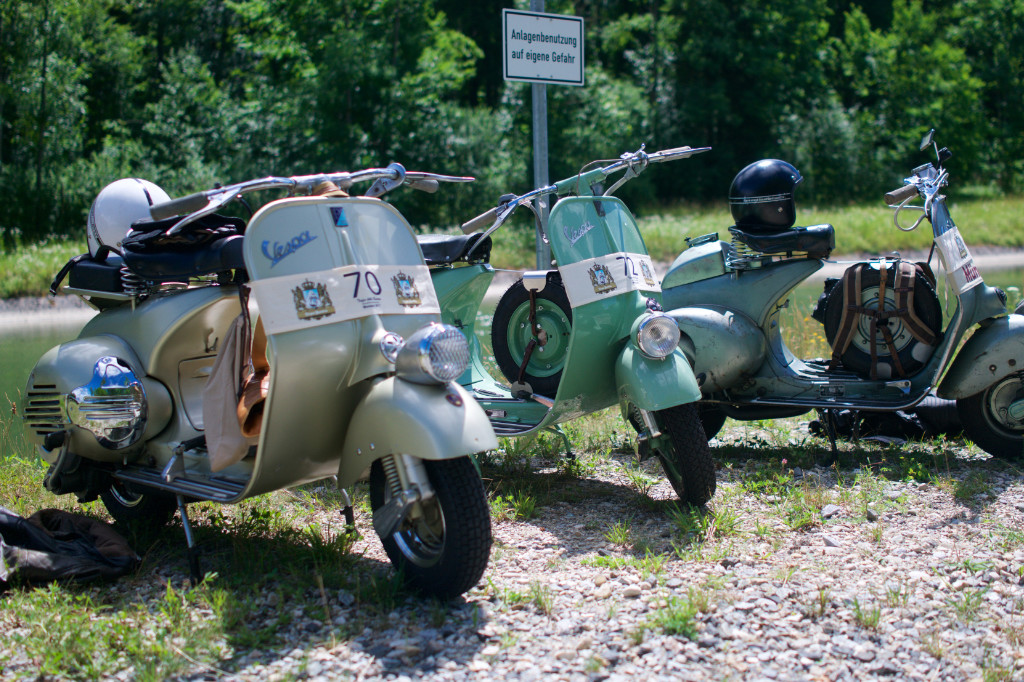
Read moreThe Vespa Wideframe was the first model series of the famous Piaggio scooters and owes its name to the significantly wider frame compared to later models.
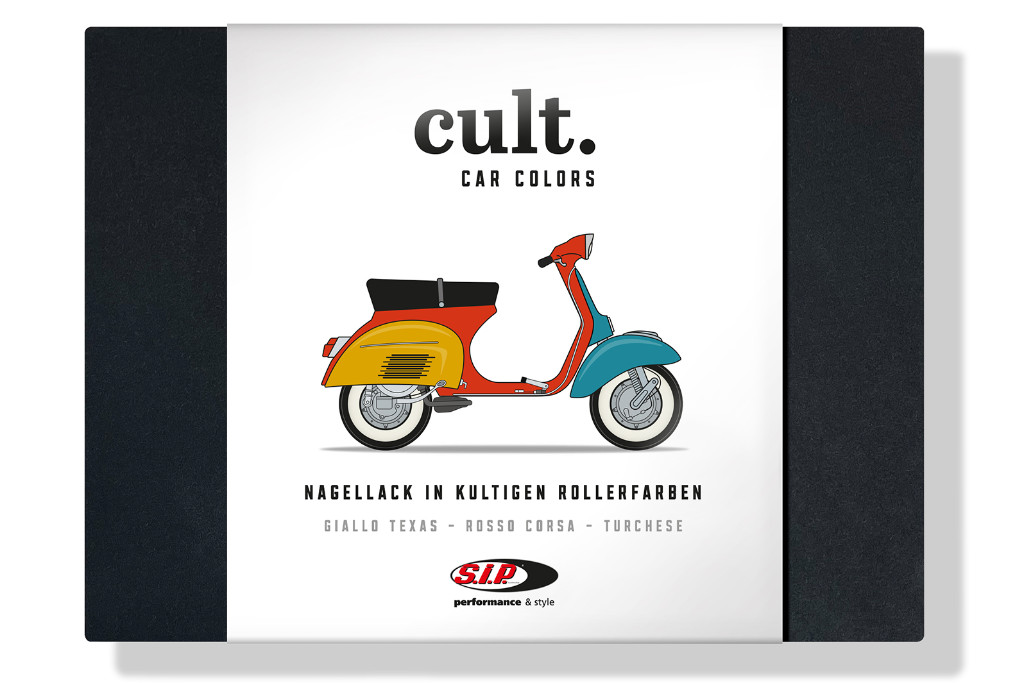
Read moreNail polish in original Vespa shades – a great gift for Vespa fans. The shades Turchese, Giallo Texas and Rosso Corsa adorned the original versions of various models from the 60s to 80s.
Read moreRelaxing in the evening city traffic without being an obstacle for other road users – for many riders of a small-frame Vespa or a Vespa with 50ccm, this is probably wishful thinking. The maximum design speed is between 40 and 50 kilometres per hour, depending on the model series. In terms of top speed, this […]
Read moreTo ensure that the Vespa always starts easily, it is recommended that the spark plugs are cleaned regularly. It may also be necessary to replace the spark plugs. Removal is always necessary for this.
Read moreIn recent years, a small scene of enthusiastic tinkerers and hobbyists has developed around the iconic “Faro Basso”, as Vespa wideframe tuning is becoming increasingly popular. The old scooters, which mostly lie dormant as collector’s items in some garage or cellar, are often only used for short trips, if at all. For longer trips, the […]
Read moreAnother scooter from Piaggio, the Vespa PK was built between 1983 and 1996. It was first presented in Milan in 1982 and was actually only intended to be a supplementary model to the Vespa PX and thus the successor to the Vespa 125 Primavera ET3 and the Vespa 50. Technical features and characteristics Compared to […]
Read moreSince its market launch in 1948, new model series of the 125cc Vespa have been introduced time and again. The classic visual elements are repeated and show a beautiful new tradition for riding fun. However, the technology moved with the times and was continuously modified and updated. Technical features The 125cc models offer riders a […]
Read moreThe Vespa 50, which has an engine capacity of 50 cm³, is classified as a scooter and was produced by the Piaggio brand in Italy from 1963 to 1990. Because the engine capacity is so small, anyone in Italy who was at least 14 years old was allowed to ride the Vespa 50 without a […]
Read more